
A child’s education is not simply about completing lessons or achieving impressive examination results. It is about developing the knowledge, confidence, and practical abilities needed to succeed in an ever-changing world. Parents today look for educational institutions that provide strong academic foundations while encouraging creativity, independent thinking, and good values. With several educational options available across the city, finding the best CBSE school in Chennai involves understanding how a school supports children’s academic progress, personal interests, and overall development.
A Curriculum That Builds Strong Academic Foundations
A well-structured curriculum gives students the opportunity to develop knowledge systematically across different subjects. The Central Board of Secondary Education (CBSE) follows an organised academic framework that encourages conceptual understanding, critical thinking, and the practical application of classroom lessons.
Rather than depending entirely on memorisation, students should be encouraged to understand the principles behind each subject. Mathematics develops logical reasoning, science introduces observation and experimentation, and language education strengthens communication and comprehension. Together, these subjects create a foundation that supports future academic opportunities.
Consistent classroom instruction, regular assessments, and constructive feedback also help teachers understand individual learning progress. This allows students to recognise their strengths, improve weaker areas, and approach their studies with greater confidence.
Learning Beyond Traditional Classroom Methods
Modern education requires teaching methods that make learning interesting, interactive, and relevant to everyday life. Children benefit when they can participate in discussions, work on assignments, conduct experiments, and explore subjects through practical activities.
Group learning encourages students to exchange ideas and understand different perspectives. Project-based assignments help them organise information, develop solutions, and present their findings. These experiences make classroom learning more engaging while strengthening independent thinking.
Technology-supported education also creates new opportunities for exploration. Digital learning resources, educational applications, and interactive presentations can help teachers explain complex subjects in simpler ways. When used effectively, these tools support classroom instruction and encourage students to become more independent learners.
What Makes a School a Good Choice for Children?
When evaluating the best CBSE school in Chennai, parents should look beyond academic results and consider the overall quality of the educational environment. Teaching standards, classroom facilities, student support, safety, and opportunities for extracurricular participation all contribute to a child’s experience.
A school should provide an atmosphere where students feel comfortable asking questions, expressing their ideas, and learning from their mistakes. Accessible teachers, structured academic guidance, and regular communication with parents can make a meaningful difference in a student’s progress.
The availability of well-maintained science laboratories, libraries, computer facilities, and activity spaces also supports a more comprehensive learning experience. These resources give children opportunities to explore their interests while developing practical knowledge.
The Importance of STEAM and Practical Education
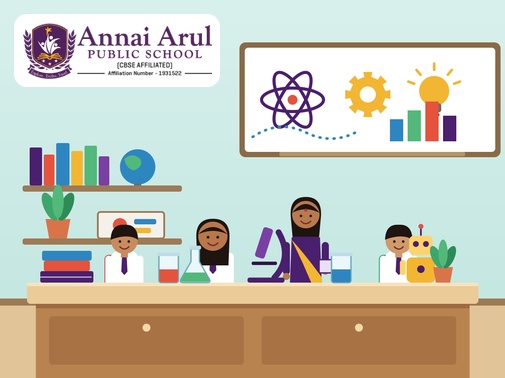
Science, Technology, Engineering, Arts, and Mathematics play an increasingly important role in contemporary education. STEAM-based learning connects different subjects through practical activities, helping students understand how academic concepts relate to real-world situations.
For example, building simple models introduces engineering principles, while coding activities develop logical thinking and problem-solving abilities. Science experiments encourage curiosity, and creative projects allow children to combine imagination with technical understanding.
These activities also teach students to approach challenges patiently. Instead of expecting immediate answers, they learn to observe, experiment, evaluate results, and improve their ideas. Such experiences help develop a thoughtful approach to learning that can benefit them throughout their academic journey.
Developing Confidence Through Communication and Creativity
Knowledge becomes more valuable when students can express their thoughts clearly and communicate with confidence. Schools should provide opportunities for children to participate in debates, storytelling, presentations, reading programmes, and classroom discussions.
These activities strengthen vocabulary, listening skills, and the ability to organise ideas. They also help students become more comfortable speaking in front of others.
Creative activities such as music, dance, drawing, painting, and cultural performances provide another important dimension to education. They allow children to explore their interests, express their individuality, and appreciate different forms of creativity.
A supportive environment where participation is encouraged helps students gradually overcome hesitation and become more confident in their abilities.
Sports and Physical Development
Physical education is an essential part of a balanced school experience. Regular participation in sports and physical activities supports fitness, coordination, discipline, and emotional well-being.
Team sports teach children the importance of cooperation, responsibility, and mutual respect. Individual activities encourage perseverance and personal commitment. Students also learn how to handle both achievements and setbacks with a positive attitude.
Schools that provide opportunities for sports, fitness activities, and outdoor recreation help children maintain a healthy balance between academic responsibilities and physical development.
Building Character and Responsible Values
Education should prepare children not only for examinations but also for the responsibilities of everyday life. Values such as honesty, respect, kindness, discipline, and responsibility influence how students interact with others and respond to different situations.
Classroom responsibilities, community activities, environmental awareness programmes, and group assignments can help children understand the importance of contributing positively to society.
Teachers play an important role in encouraging these qualities through their guidance and everyday interactions. When students learn to respect different viewpoints, take responsibility for their actions, and support one another, they develop qualities that extend well beyond school life.
For parents seeking an educational institution that brings together academic learning and personal development, Annai Arul Public School focuses on CBSE-based education, practical learning, STEAM activities, sports, and value-based development. By providing opportunities for students to strengthen their knowledge, explore their interests, and develop essential life skills, the school aims to nurture confident learners who are prepared for future academic and personal responsibilities.